Senior officials in US President Donald Trump's administration have been divided for months over the war with Iran, with Vice President JD Vance privately criticizing Israeli Prime Minister Benjamin Netanyahu and warning that the conflict could cost Republicans control of Congress, according to US media reports.
Vance privately accused Netanyahu of "being wrong on everything" regarding Iran and repeatedly urged Trump to negotiate an end to the conflict, Axios reported Thursday, citing sources familiar with the discussions.
The vice president also warned that the war was deeply unpopular among American voters and could lead to Republican defeats in Tuesday's midterm elections, according to the report.
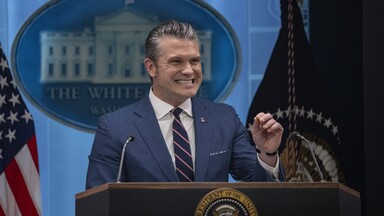
The Wall Street Journal separately reported that tensions within the administration had intensified over whether to continue military operations against Iran, with Defense Secretary Pete Hegseth advocating a continuation of the campaign while Vance, Secretary of State Marco Rubio and other senior officials pushed for diplomatic negotiations.
The disagreements came into sharper focus after Democrats won control of both chambers of Congress in Tuesday's elections, prompting Vance to publicly blame the war for the Republican Party's defeat.
White House discussed keeping military strikes quiet
According to the Wall Street Journal, senior administration officials held a meeting in the White House Situation Room in September to discuss the political consequences of the Iran war.
During the meeting, attended by Vance, Rubio and other officials, participants expressed concern that publicly acknowledging continuing US military strikes could damage Republican candidates in competitive races.
Officials subsequently briefed Trump on the discussions, and the president agreed that publicizing the operations would not help the party's electoral prospects, the newspaper reported.
US forces later conducted limited defensive strikes against Iranian missile launchers and other military equipment without publicly emphasizing the operations, according to the Journal.
The newspaper also reported that some White House advisers blamed Hegseth for persuading Trump that the conflict would be a relatively short military engagement.
Despite the internal criticism, Trump has publicly defended the defense secretary and indicated that he does not intend to remove him.
Netanyahu reportedly pressed Trump for new strikes
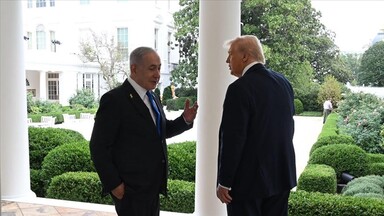
Axios reported that Netanyahu had urged Trump to resume military strikes against Iran before the midterm elections, despite warnings from senior American officials about the political consequences.
Trump considered renewed strikes but ultimately decided to wait until after the elections, according to the report.
Axios said most senior officials around Trump shared Vance's preference for reaching an agreement with Tehran, although the president remained inclined toward renewed military action.
The report also said Trump endorsed Netanyahu in Israel's recent election despite advice from senior members of his administration against doing so.
The Pentagon, meanwhile, has continued preparations for a possible resumption of major combat operations against Iran, including the deployment of additional military assets to the Middle East.
The Wall Street Journal reported that another aircraft carrier strike group and a Marine expeditionary unit were moving toward the region, potentially adding thousands of US personnel.
Vance blames war and Israel policy for election defeat
The internal disagreements became public Wednesday when Vance directly linked the Republicans' electoral losses to the administration's Iran policy.
"The reason we lost is the war," Vance wrote on social media.
According to The Washington Post, Vance said Republican voters who supported Trump in 2024 had turned against the party because of the war, rising living costs and dissatisfaction with the administration's foreign policy.
Vance identified four concerns among disillusioned Republican voters: ending the Iran war, addressing inflation and living costs, restoring the administration's America First priorities and changing Washington's relationship with Israel.
"Our voters showed up," Vance wrote, arguing that many nevertheless voted for Democratic candidates.
The Washington Post described Vance's remarks as a significant departure from Trump's initial response to the election, in which the president and his advisers sought to place responsibility for the defeat on Republican candidates.
Trump subsequently acknowledged that the conflict had contributed to the electoral losses, particularly by increasing gasoline prices.
"I think it's largely true because it drove the gasoline up a little bit short term," Trump told reporters Wednesday when asked about Vance's assessment.
However, he defended his decision to launch the military campaign, arguing that preventing Iran from acquiring nuclear weapons remained essential.
Trump also said he was aware of Vance's position on the conflict and described the vice president's remarks positively.
Trump faces competing options on Iran
The election defeat has intensified discussions within the administration over how to proceed with the conflict.
According to Axios, Trump faces three principal options: resuming major military strikes, negotiating an agreement with Tehran or maintaining the naval blockade and economic sanctions while seeking further Iranian concessions.
The report said Qatari mediators were working on a draft agreement intended to prevent renewed fighting and potentially facilitate direct US-Iranian negotiations.
At the same time, CIA Director John Ratcliffe, Treasury Secretary Scott Bessent and other advisers reportedly favor allowing the existing blockade and economic pressure campaign more time to produce results.
Other officials have advocated renewed military strikes followed by negotiations, while some have urged Trump to wind down the campaign, according to the Wall Street Journal.
The Washington Post reported that Vance's public criticism also underscored the political challenges facing the vice president, who is widely viewed as a potential Republican presidential contender in 2028.
The divisions leave Trump confronting competing military, diplomatic and domestic political pressures as Democrats prepare to assume control of Congress in January.