Yasin Gungor
19 August 2026•Update: 19 August 2026
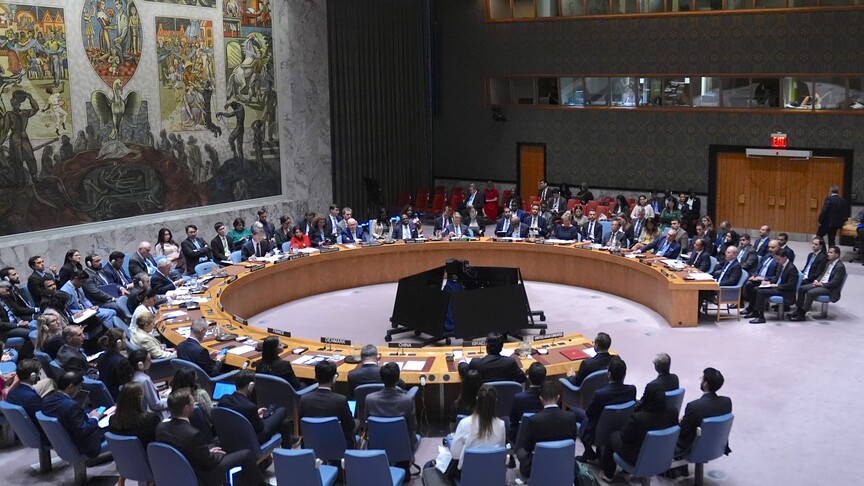
The UN Security Council is currently grappling with the longest institutional deadlock in its modern history, a senior official warned on Wednesday during a debate on the body’s working methods.
“In 2026, there is still no agreement. This is now the longest period without agreed chairs and vice-chairs since the practice ... began in 1979,” said Shamala Kandiah Thompson, executive director of Security Council Report (SCR). In a meeting on working methods, she identified the primary driver of the impasse as a deep-seated dispute over who will lead the 1737 Iran Sanctions Committee and the potential "snapback" of sanctions against Tehran.
Thompson explained that this paralysis has severe practical consequences, noting that numerous sanctions committees and working groups are no longer operating at full capacity. For example, the Working Group on Children and Armed Conflict has accumulated a significant backlog of country reports because it remains unable to adopt formal conclusions. Thompson proposed "decoupling" uncontested appointments from disputed ones to restore basic functionality to the system.
Thompson noted that the current deadlock is not just affecting this year; it is preventing the newly elected members from starting their work for next year.
The briefing also scrutinized the ongoing selection process for the next secretary-general. While transparency has increased since 2016, Thompson raised concerns regarding the continued secrecy of straw polls. She argued that official disclosure of poll results would provide greater certainty regarding their accuracy.
She said the established sequencing for candidates was not maintained in the current cycle. One candidate was reportedly included in straw polls without undergoing the same level of engagement with the General Assembly and Security Council, Thompson added.
Reviving preventive diplomacy
Thompson urged the Security Council to shift from reactive measures toward proactive "early warning" mechanisms. She emphasized that the secretary-general should provide not just information, but "concrete options for action in the face of an impending crisis." She suggested that future UN secretary-general reports should include distinct sections dedicated to alerting members of deteriorating situations.
The official also highlighted a dramatic decline in the Security Council’s use of visiting missions. While the body typically conducted up to five missions annually before 2020, only four have taken place over the last six years. Thompson advocated for reviving these missions to better assess if mandates require revision or if missions can safely scale down.
"While working methods cannot resolve political differences, they are essential in helping members navigate those differences," the official said.