Berk Kutay Gokmen
28 August 2026•Update: 28 August 2026
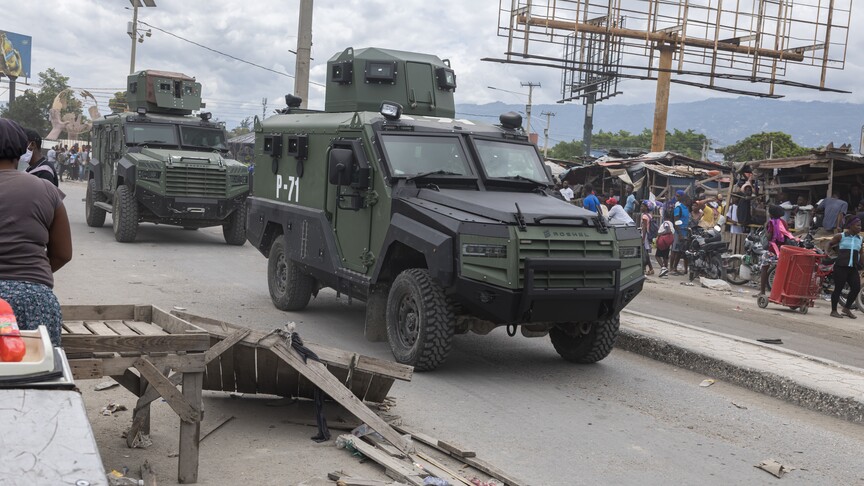
The UN secretary-general’s special representative for Haiti on Friday called for stronger international support for Haiti’s security institutions after a gang attack in Kenscoff killed at least 47 people and left dozens abducted.
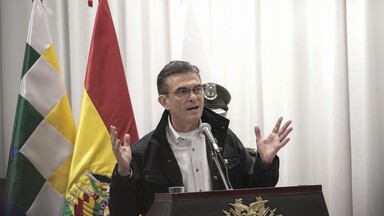
Addressing an urgent UN Security Council meeting, Carlos Ruiz Massieu condemned the assault on the commune in the hills overlooking Port-au-Prince as a “horrific” atrocity and demanded the immediate and unconditional release of those kidnapped, including women and children.
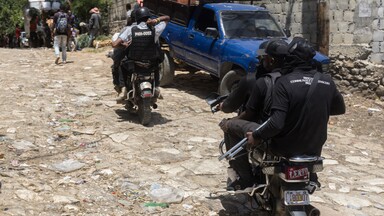
The attack, which occurred overnight on Aug. 23-24, also left dozens injured, displaced residents and destroyed homes, said Massieu. Gang members are said to have attacked people seeking refuge at a church, where some were killed while others attempted to flee.
Massieu said the attack was the latest in a series of attacks in Kenscoff since early 2025, demonstrating gangs’ “continued capacity and determination” expand beyond the capital and challenge state authority.
He cited UN documentation showing that more than 1,400 people were killed and over 600 injured between April and June 2026 alone.
Massieu welcomed a decision by Haitian authorities on Aug. 26 to coordinate the Haitian National Police, armed forces and the Gang Suppression Force (GSF). He said the GSF would strengthen its presence in the Port-au-Prince area, while national security forces would reinforce their deployment in Kenscoff.
“National security institutions cannot be left to confront this threat without adequate support,” he said, stressing that the GSF’s full deployment was essential.
However, Massieu warned that security operations alone would not deliver lasting stability. He called for efforts to restore state authority and basic services, reopen schools and health facilities, create livelihoods and provide pathways for young people to leave gangs.
He also urged accountability for those responsible for the Kenscoff attack and those financing and enabling gang violence, saying breaking the cycle of impunity was critical to restoring confidence in state institutions.
UN humanitarian coordinator Indrika Ratwatte separately warned the Security Council that Haiti’s violence was fueling a severe humanitarian crisis, with more than half of the country’s 6.4 million people requiring humanitarian assistance and nearly 1.5 million internally displaced.
Haiti has not held elections since 2016, and its last President Jovenel Moise was assassinated in 2021 shortly after postponing a vote.
Last month, the Provisional Electoral Council announced that a first-round presidential and general election will be held on Dec. 13, with a second round and local-level elections on Feb. 21.