Darren Lyn
24 May 2026•Update: 24 May 2026
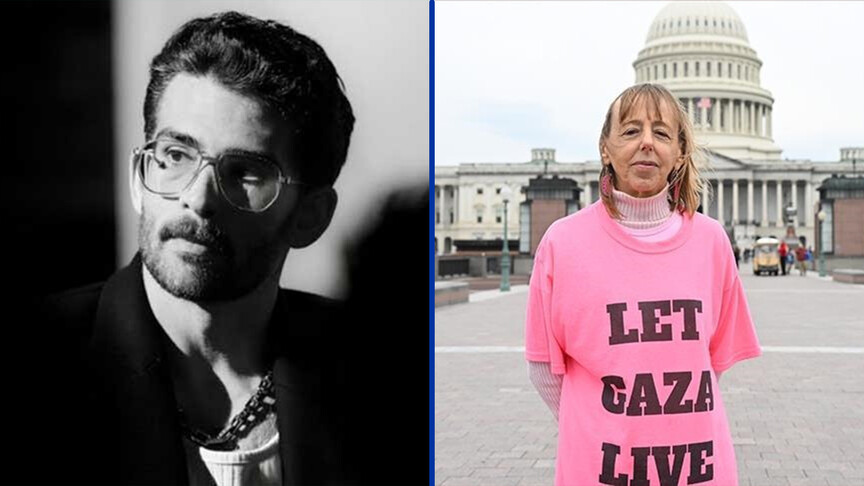
US authorities on Saturday issued subpoenas to a political commentator and an anti-war activist over recent trips to Cuba and possible violations of sanctions and travel regulations, Fox News reported.
The report said the inquiry into influencer Hasan Piker and CODEPINK co-founder Medea Benjamin is being led by the Treasury Department’s Office of Foreign Assets Control (OFAC) and is examining possible breaches of US law related to Cuba sanctions.
The subpoenas are said to have sought financial, travel and communications records linked to a March visit to Cuba involving as many as 40 US citizens as part of the Nuestra América Convoy, or “Our America Convoy.”
The report said the convoy included activists, influencers and political organizations that traveled to Havana with supplies and participated in events organized by groups supportive of the Cuban government, including possible meetings with Cuban officials.
Fox News said the investigation is part of a broader effort by the Trump administration targeting what it describes as foreign influence operations and activities linked to extremist movements or organizations viewed as hostile.
Piker, a political streamer on Twitch, has built a large online following through commentary on US politics and foreign policy. Fox News noted that some of his remarks have drawn criticism from White House officials.
The report cited social media posts by Piker about his Cuba trip and comments he made during a livestream criticizing a Justice Department indictment involving former Cuban leader Raul Castro and Trump administration policy toward Cuba.
Benjamin, co-founder of the anti-war group CodePink, has long been known for protests at congressional hearings and public events related to US foreign policy.
Fox News said the subpoenas mark an escalation in the administration’s scrutiny of activist groups and nonprofits that authorities believe may have violated Cuba-related sanctions rules.
According to the report, OFAC officials are examining whether members of the delegation stayed at a hotel included on the State Department’s Cuba Restricted List, which bars certain transactions involving entities linked to the Cuban government.
The US law broadly restricts financial transactions and some travel-related activity involving Cuba, with exemptions for areas such as journalism, education and humanitarian projects.
Legal experts said the inquiry could remain a civil enforcement matter handled by OFAC or potentially develop into a criminal case under the International Emergency Economic Powers Act.