Anadolu staff
23 June 2026•Update: 23 June 2026
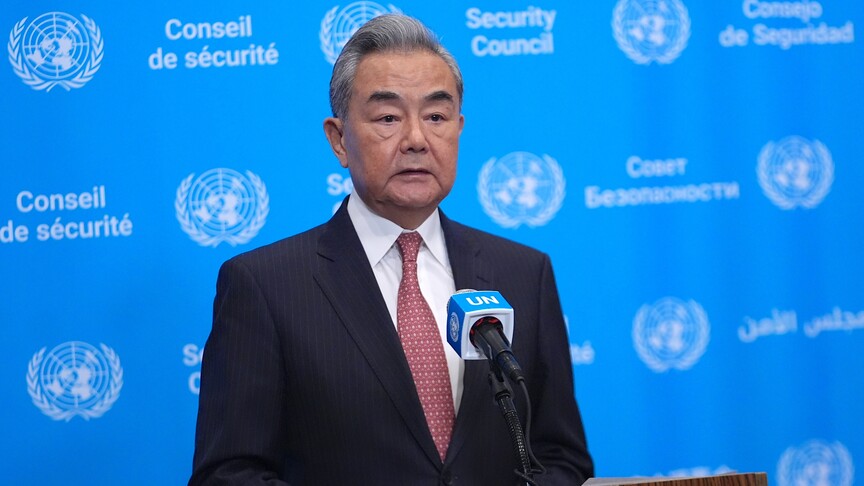
China's top diplomat Wang Yi on Tuesday called on BRICS nations to deepen cooperation on strategic mineral resources, strengthen coordination against the Ebola outbreak in Africa and pursue political solutions to international hotspot issues, as the bloc seeks a greater role in shaping global governance.
Addressing the BRICS senior representatives' meeting on security affairs in the Indian capital New Delhi, Wang said member states should work together to address pressing global challenges amid growing geopolitical uncertainty.
According to China's Foreign Ministry, Wang urged the BRICS countries to uphold multilateralism, defend the principles of the UN Charter and oppose unilateralism and protectionism. He also advocated a "common, comprehensive, cooperative and sustainable" security approach, stressing dialogue and consultation as the preferred means of resolving disputes.
The Chinese foreign minister called for stronger cooperation in combating terrorism, ensuring global energy and food security, preventing the militarization of outer space, and managing the risks associated with artificial intelligence.
Wang said BRICS has become an important force for safeguarding peace, promoting development and defending the interests of the Global South. He added that China, which will assume the bloc's rotating presidency next year, stands ready to work with fellow members to advance shared development and security goals.
The meeting, chaired by Indian national security adviser Ajit Doval, brought together senior security officials from BRICS member states to discuss non-traditional security threats, counterterrorism and cybersecurity.
The bloc aims to create alternative financial mechanisms, curb dollar dependency and increase Global South representation in international institutions, challenging Western-led governance structures.
India's 2026 BRICS chair is guided by the theme "Building for Resilience, Innovation, Cooperation and Sustainability."
Together, BRICS countries, including Brazil, Russia, India, China and South Africa, represent more than 40% of the world's population and over 32% of global GDP.