Burhan Sansarlioglu
27 April 2026•Update: 27 April 2026
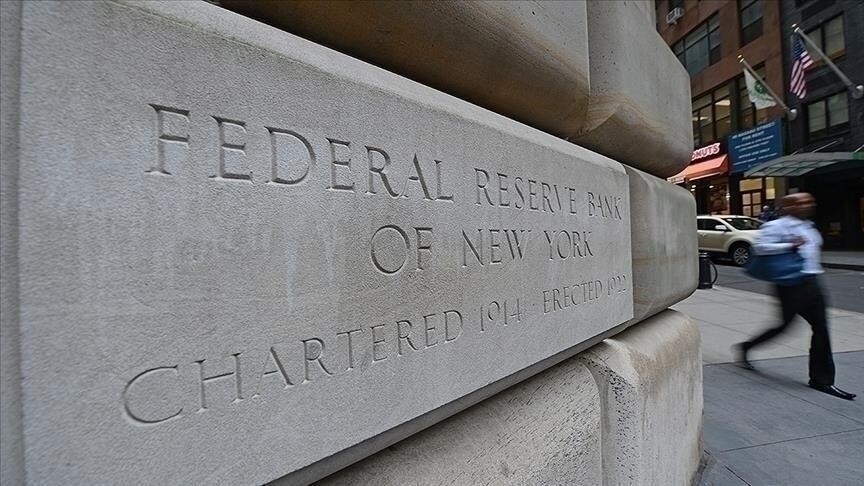
The Fed is expected to continue its rate cuts this year amid labor market risks and tensions in the Middle East, experts told Anadolu.
The Fed is expected to maintain its rates at the 3.5-3.75% range during this week’s meeting.
Experts believe the Fed will continue cutting rates despite concerns over energy costs due to the Middle East war potentially driving up inflationary pressures, leading to a delay in rate cut expectations this year.
Philip Marey, senior US strategist at Rabobank, told Anadolu that the bank will maintain its rates this week, saying Fed Board Member Stephen Miran may once again vote against the decision.
Fed Chair Jerome Powell’s statements on the economic data released this month and how the figures reflect the impact of the Middle East war will give signals into the future policy roadmap of the bank.
Marey expects two rate cuts this year in September and December each, while the Trump-tapped Fed Chair successor Kevin Warsh, once passes the Senate’s approval, is expected to make more cuts than the single reduction previously made in the latest projections.
He noted that Warsh’s success will depend on future economic data, which will inevitably be massively impacted by the ongoing war with no lasting peace in sight.
Meanwhile, it is unclear whether this week will be the last meeting Powell will oversee as chair, since if Warsh’s confirmation is delayed, Powell could potentially keep serving as interim chair in June.
Marey noted that surging energy prices driven by the Middle East war drove up consumer prices, which could potentially impact employment growth, adding that persistent inflation would support hawkish, while weak employment would support dovish argument within the Fed.
Oliver Allen, senior US economist at Pantheon Macroeconomics, told Anadolu that this week’s monetary policy meeting is expected to be largely calm, as the bank is navigating through the signs that the labor market has yet to recover enough and the potential for high core inflation, as well as the energy shock to further drive up price pressures.
Allen stated that this week’s meeting may signal that the Fed will continue to remain on hold and wait for clearer signs of how the energy shock will affect the economy before moving forward, noting that the bank will issue further rate cuts, depending on the labor market’s and core inflation’s outlook.
These outlook developments are not expected to come to the fore until the second half of the year.
Allen added that the Fed is likely to cut rates by 25 basis points at three consecutive meetings starting in September, but these cuts may come slightly later as well.
* Writing by Emir Yildirim