ANKARA
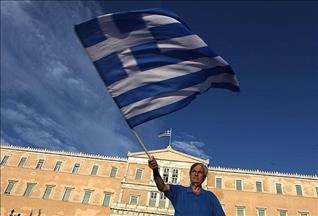
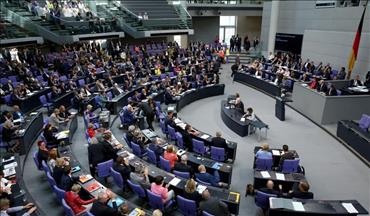
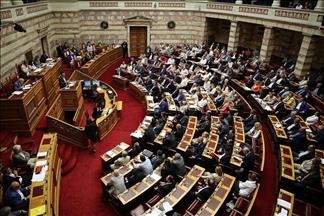
Greece's creditworthiness is likely to face further downside risks due to early elections following the Greek parliament's failure to appoint a new president, Fitch Ratings said on Tuesday.
“Negotiations with official creditors, and any potential reopening of market access, will be put on hold until after the elections,” Fitch said in a report released on its website.
“Following the elections, which are likely to take place on 25 January, political and policy uncertainty will probably remain high for some months,” the report added.
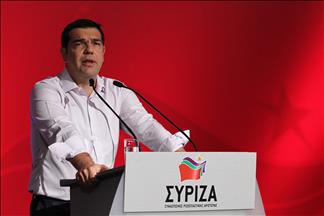
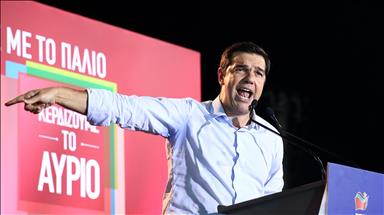
The rating agency stressed that the lead of the left-wing Syriza party over the incumbent center-right New Democracy party in the polls has narrowed to point of making the elections too close to call.
Fitch said that the painful formation period of a new coalition government may prolong political uncertainty.
Fitch expects Greece's credit profile to be pressured through two channels.
“Prolonged deadlock with the Troika combined with a lack of market access would strain the government's cash-flow by the summer, even assuming the budget was kept under tight control,” Fitch said.
The prospect of a new capital rush out of the Greek economy is the second major risk factor, the report added.
Despite noting compromise between the Troika and a new Greek government is likely, Fitch warned that negotiations would be much more fraught in the case of a coalition government.
“The privatization program would most likely stall completely under a Syriza-led government and there would be upward pressure on the public sector wage bill. The property tax may also be targeted for removal and overall fiscal risk would increase,” Fitch said.
www.aa.com.tr/en