Necva Taştan Sevinç
23 July 2026•Update: 23 July 2026
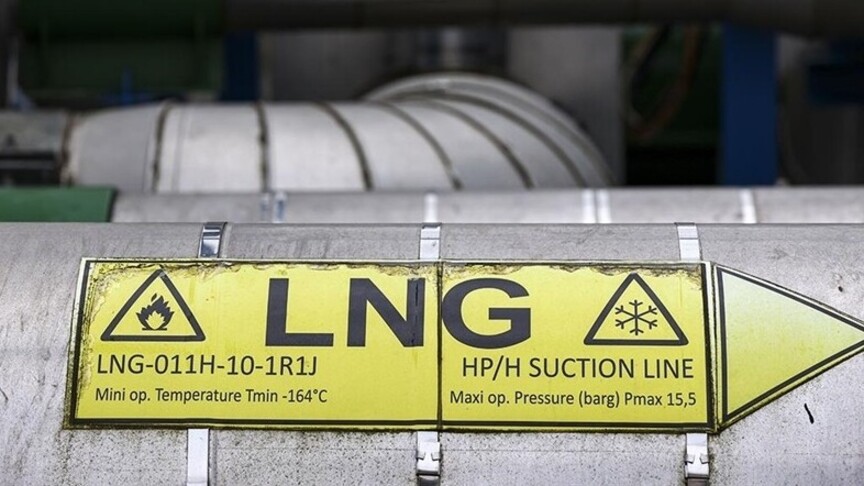
Greece secured a limited exemption for the transportation of Russian liquefied natural gas (LNG) as EU member states reached an agreement Thursday on the bloc’s 21st sanctions package against Moscow.
The compromise allows European companies to continue transporting Russian LNG to third countries under contracts concluded before Feb. 24, 2022, Greek public broadcaster ERT reported.
The arrangement protects existing activities but does not allow European operators to undertake new ones. Transportation will effectively be frozen at current levels, while the EU Council will be able to review the exemption annually.
Athens had opposed earlier versions of the package that proposed a broader ban on EU companies providing transportation services for Russian LNG.
Greece argued that a complete prohibition would not substantially reduce Moscow’s energy revenues but instead transfer market share to non-European competitors and reduce EU oversight of Russian LNG shipments.
The issue carries particular significance for Athens because Greek shipowners control a substantial share of Europe’s specialized LNG carrier fleet.
Greek shipping companies have also played a major role in transporting Russian oil since the G7 introduced its price cap regime in December 2022.
The companies earned more than $3.8 billion from transporting Russian oil over the past three years, according to a Financial Times analysis.
Eight of the 20 companies earning the most from Russian oil shipments since June 2023 were Greek, while Greek operators accounted for nearly 15% of Russian crude exports in May.
The new EU package also freezes the Russian oil price cap at $44.10 per barrel for 12 months and expands sanctions targeting the financial, energy, cryptocurrency and trade sectors.