Mucahithan Avcioglu
02 September 2026•Update: 02 September 2026
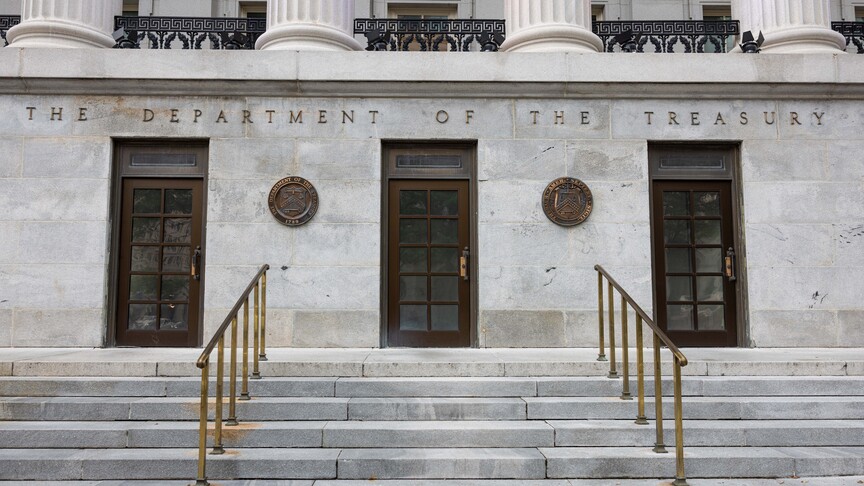
The yield on the 10-year US Treasury note climbed to its highest level since November 2023 on Wednesday as inflation and government debt concerns fueled a broader global bond sell-off.
The benchmark yield rose as high as 4.814% before easing below 4.8% later in the session.
The 30-year Treasury yield also advanced to 5.286%, while the two-year yield, which is more sensitive to Federal Reserve policy expectations, remained around 4.4%.
Bond prices and yields move in opposite directions.
US borrowing costs followed government bond yields higher across major economies as investors demanded greater compensation for holding medium- and long-term debt.
The latest escalation in tensions between the US and Iran has intensified concerns that rising energy costs could keep inflation elevated.
Brent crude traded near $96 per barrel after gaining more than 5% during the day.
The rise in oil prices has also strengthened expectations that central banks, including the Federal Reserve, may raise interest rates to prevent a renewed inflation surge.
Higher Treasury yields can increase borrowing costs across the US economy, affecting mortgages, auto loans, credit cards and corporate financing.
They can also weigh on equities by reducing the relative appeal of riskier assets.