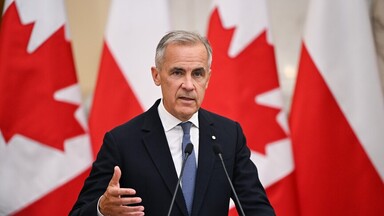
- 'During this COP, we are actually moving to more practical implementation of all the declarations and decisions that have been made before,’ he tells Anadolu
- Minister praises Türkiye's Zero Waste initiative, highlights potential joint projects in carbon trading, biodiversity conservation
Kazakhstan is seeking to deepen climate cooperation with Türkiye, particularly in renewable energy, energy efficiency, waste management and carbon trading, Kazakh Minister of Ecology and Natural Resources Alibek Kuantyrov said on the sidelines of the COP31 UN climate conference in Antalya.
Speaking to Anadolu, Kuantyrov highlighted the two countries' close strategic partnership and said Türkiye's experience in green technologies and environmental policies could offer valuable lessons for Kazakhstan.
"For Kazakhstan, it is very important to look at Türkiye and its experience in renewable development, in energy efficiency, in energy efficiency of buildings, in waste management of solid waste," he said.
"Türkiye has gone ahead in many things, in many respects," he added.
Kuantyrov said Kazakhstan also had expertise to share, particularly in biodiversity conservation and financial technologies supporting environmental investments.
He identified carbon trading and the development of emissions trading systems as promising areas for bilateral cooperation.
"I think we can replenish each other's side with the joint projects in these spheres," he said.
The minister emphasized that Kazakhstan and Türkiye had developed an enhanced strategic partnership covering economic, political, geopolitical, climate and energy issues.
"We really look in the same direction," he said, expressing satisfaction with Türkiye's hosting of COP31.
Kuantyrov added that the summit represented an important opportunity to move beyond previous climate declarations.
"During this COP, we are actually moving to more practical implementation of all the declarations and decisions that have been made before," he said.
He added that discussions at the conference included practical measures to implement the best available techniques for reducing environmental impacts.
Kazakhstan praises Türkiye's Zero Waste initiative
Kuantyrov praised Türkiye's Zero Waste initiative, launched under the leadership of Turkish first lady Emine Erdogan, for raising environmental awareness and promoting circular economy practices.
The initiative, launched in 2017, aims to reduce waste, encourage recycling and promote more efficient use of resources.
""Kazakhstan specifically is grateful to Mrs. Emine Erdogan for initiating the Zero Waste Program," he said.
The minister said the initiative had helped change attitudes toward waste management and the circular economy, particularly among younger generations.
He recalled that Emine Erdogan visited Astana in May and inaugurated a scientific and practical laboratory focusing on waste management at an agricultural university.
Kuantyrov said the initiative and her efforts had contributed to the development of waste management practices in Kazakhstan.
Kazakhstan highlights climate commitments, biodiversity efforts
Turning to Kazakhstan's environmental priorities, Kuantyrov said the country's COP31 pavilion showcased its updated nationally determined contribution, carbon neutrality ambitions and projects aimed at reducing industrial emissions.
The exhibition featured environmental technologies and emissions reduction projects involving major companies in the oil, gas and metallurgy sectors, he added.
"By saving the environment, we are finding new opportunities for economic development," he said.
The minister acknowledged the challenge of maintaining economic growth while protecting the environment, describing it as a major task facing countries worldwide.
He also highlighted Kazakhstan's biodiversity conservation efforts, including a long-term program to reintroduce tigers to the southern part of the country near Lake Balkhash, where the species disappeared more than 70 years ago.
Kuantyrov said the program was designed to run for at least 35 years in its initial stage and formed part of broader efforts to restore endangered wildlife populations.
He cited the recovery of the saiga antelope as another example, saying its population had increased from approximately 21,000 in 2003 to 4.7 million following government conservation measures.
The minister said Kazakhstan was ready to share its experience in biodiversity restoration with Türkiye, including efforts to reintroduce wildlife species.
"We have so many examples that we can share, and we can help our brotherly country to reintroduce several species," he said.