Rabia İclal Turan
18 June 2026•Update: 18 June 2026
By Rabia Iclal Turan
WASHINGTON (AA) - Several Republican lawmakers have criticized the US-Iran memorandum of understanding (MOU) aimed at ending a four-month war and reopening the Strait of Hormuz, warning that the deal includes significant concessions and could undermine US security interests.
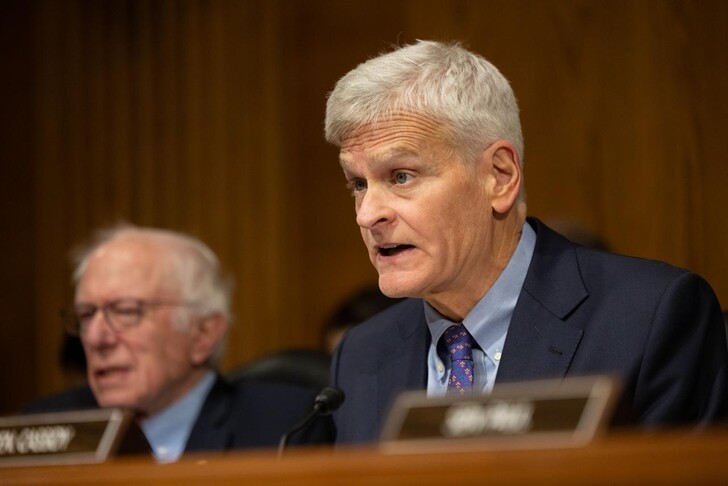
"Reagan is rolling over in his grave," Republican Senator Bill Cassidy of Louisiana wrote on US social media company X after the US officials released the text of the 14-point MOU that was signed electronically on Wednesday by the presidents of both countries.
"Iran's nuclear ambitions were not curbed, and they have learned that threatening the strait of Hormuz works and will undoubtedly leverage it in the future," Cassidy said. "Now, Iran gets to build brand-new infrastructure under this deal."
"Before the war, the strait was open, Iran was being crushed by sanctions, and 13 service members were still alive," he said. "Now, 13 Americans are dead, families have paid billions at the pump, sanctions will be lifted, and the bombing has stopped."
Republican Senator Ted Cruz of Texas told conservative outlet the Daily Wire that he hopes to see more details but said elements of what is currently public appeared "ill-advised."
“History teaches that giving billions of dollars to theocratic lunatics who want to murder us is a bad idea,” he said.
Senator Lindsey Graham initially expressed reservations but later said, following discussions with US officials, that reopening the Strait of Hormuz and ending hostilities could be beneficial.
“Whether or not the United States can reach an acceptable, verifiable deal with Iran regarding its nuclear program and other issues is yet to be determined, but I see little downside to trying,” he wrote on X.
“The economic stability that comes from opening up the Strait and the cessation of hostilities could create a pathway to peace well beyond the Iranian conflict,” he added.
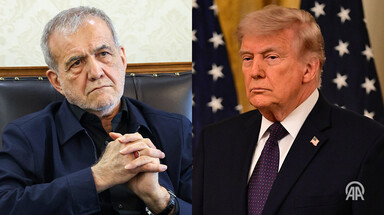
The US and Iran on Wednesday remotely signed a memorandum of understanding, officials from both countries announced.
The 14-point draft, made public by US officials on Wednesday, calls for an immediate and permanent end to military operations on all fronts, including Lebanon, removal of the naval blockade on Iran within 30 days, and safe passage for commercial vessels through the Strait of Hormuz.
It also includes a reconstruction and economic development plan for Iran valued at a minimum of $300 billion, oil export waivers, the release of Iran's frozen assets, and a reaffirmation by Tehran that it will not develop nuclear weapons, with the future of its enriched uranium stockpile to be negotiated.