Burhan Sansarlioglu, Ali Canberk Ozbugutu, and Emir Yildirim
23 November 2026•Update: 23 November 2026
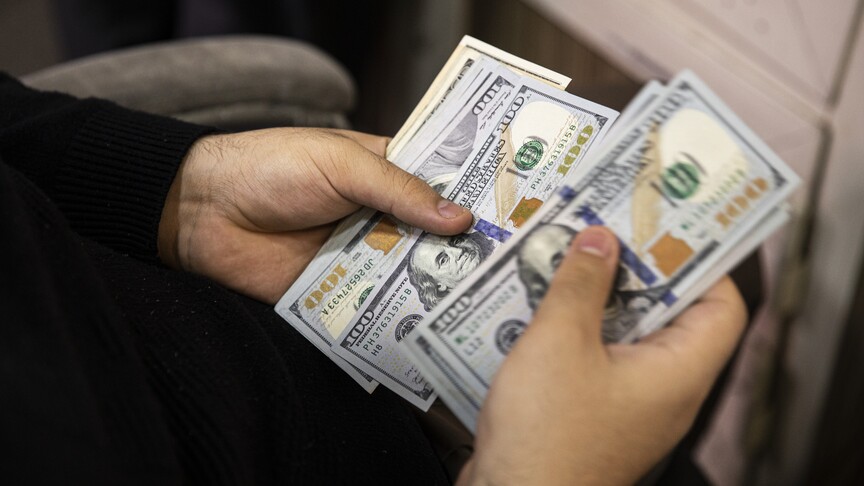
The US dollar’s appreciation to its highest in the past 19 months continues weakening capital flows into emerging markets and pressuring commodity prices.
The demand for greenbacks keeps rising with the US economy remaining strong and the persistent inflationary pressures fueling hawkish concerns of the Federal Reserve.
The minutes of the Federal Open Market Committee showed that additional rate hikes would be likely to bring inflation back to the 2% target, with some members saying that cutting more than 25 basis points could be considered next month if inflation exceeds estimates.
Fed board member Christopher Waller said aggressive steps are needed to curb inflation as prices rise above estimates.
Michael Barr from the Fed board said tighter monetary policy may be needed amid persistent inflationary pressures.
San Francisco Fed President Mary Daly also supported increasing rates further but through a more measured approach as the bank assesses the economy.
The Fed is likely to implement consecutive rate hikes in the new year as the likelihood of rate hikes at two of the bank’s next four meetings, including December, increased in money market estimates.
Surging capital demand for massive artificial intelligence investments is also driving up demand for the US dollar.
The US dollar hit its highest level since April 2025 at 103.97 on Nov. 19 and stabilized at 103.8, marking a rise of over 5% compared to the end of 2025.
Investors pull out of risky assets in emerging markets and flock to dollar-denominated assets when the dollar strengthens, especially when US interest rates are high. Stock markets in leading emerging economies plunged with these developments.
The Hungarian stock market saw declines of around 5.2%, the South African market faced a 2.6% drop, the Czech market fell 2.3%, the Chinese stock market declined 1.8%, the Mexican market fell 1.6%, and the Brazilian stock market saw a drop of 0.9% compared to the end of October.
As for commodities, gold fell 8.8%, silver lost 16.9%, platinum dropped 9.5%, palladium declined 9.1%, and copper plunged 15.5%.
Philip Marey, a senior US strategist at Rabobank, told Anadolu that sticky inflation is fueling additional rate hike expectations and boosting the dollar.
“The stronger US dollar is making commodities more expensive for buyers from outside the US and therefore softening commodity prices in US dollars,” he said.
“The stronger dollar should contain import prices in the US and therefore offset some of the inflationary pressures from abroad and help the Fed get inflation back to target,” he added.