Rania Abushamala
06 October 2026•Update: 06 October 2026
Iran summoned the French ambassador in Tehran to the Foreign Ministry on Tuesday over the French government’s handling of protests, Iranian state broadcaster IRIB reported.
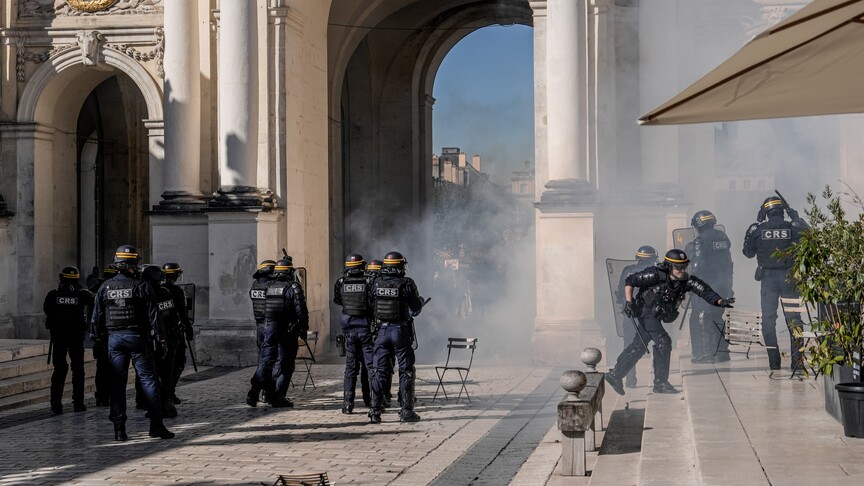
The summons followed the French government’s “violent handling of student protests” and “widespread human rights violations,” according to IRIB.
Earlier, Iranian Foreign Ministry spokesman Esmaeil Baqaei accused France of double standards, contrasting its January calls for restraint toward protesters in Iran with its response to high school protests at home.
“The problem is not dissent; the problem is double standards,” he wrote on X, arguing that the definition of human rights and the right to protest should not change depending on protesters’ location.
The student-led movement began in late September over complaints about staff shortages, overcrowded classrooms and inadequate school facilities. Blockades and demonstrations have since spread to schools in several French cities.
The largely peaceful movement has seen violent incidents, including fires, property damage and attacks on staff and police, according to authorities.
On Monday, Iran executed two protesters over their alleged role in the killing of police officers during widespread anti-government protests in January, according to the judiciary.
The protests began on Dec. 28, 2025, amid a sharp decline in the Iranian currency and worsening economic conditions, before spreading from Tehran to cities across the country and developing into broader anti-government demonstrations.
The unrest escalated on Jan. 8 and 9, with deadly clashes reported between protesters and security forces in several cities, while public buildings and police vehicles were set on fire. Iranian authorities imposed a nationwide internet shutdown and disrupted mobile communications during the unrest.
Iranian authorities and rights groups reported hundreds of deaths and thousands of arrests during the protests, though their figures differed significantly.